








The last week of the summer holidays is when most of the real work happens. Classrooms have been empty for six weeks, deliveries have been piling up in the caretaker's store, and by the time term starts there won't be a spare hour to notice what's missing. A proper stock check now saves a scramble later, and it's far cheaper to order a case of hand sanitiser in August than to pay for next-day delivery in the first week of term.
This checklist runs through what to check, restock and test before students walk back through the door, room by room, so nothing gets missed in the rush.
Classroom surfaces and desks
Start with the basics: desk wipes, surface sprays and general-purpose disinfectant. Most schools get through this stock faster than they expect during the first fortnight of term, when new pupils, new seating plans and a return to shared equipment all push usage up at once.
Check the dwell time on whatever disinfectant is currently stocked. Many surface sprays need five to ten minutes of contact time to actually kill bacteria and viruses, not the quick wipe-and-move-on that staff often default to when a room needs turning around in three minutes between lessons. If the current product's dwell time doesn't match how the room is actually used, it's worth switching to a faster-acting formula rather than hoping staff will wait it out.
It's also worth checking colour-coded cloths and equipment are still correctly assigned. Cross-contamination between kitchen, washroom and classroom cleaning tools is one of the most common hygiene failures inspectors flag, and a six-week break is exactly when colour-coding systems drift, with cloths and mop heads getting mixed back into general storage.
Shared equipment and IT suites
Keyboards, mice, tablets and shared stationery pots need a specific plan, not just a generic surface spray. Alcohol-based wipes rated for electronics are worth having on hand separately from general classroom wipes, since standard disinfectant can damage screens and casings over repeated use.
Floors and communal areas
Floors take the heaviest use in September, between new shoes, wet weather and the general chaos of a full school moving through corridors for the first time in weeks. If a deep clean hasn't already been scheduled for the final days of the holidays, this is the point to check it's booked in, along with any machine servicing.
Scrubber dryers and vacuums that have sat unused all summer are prone to problems that only show up under load: worn brushes, clogged filters, or batteries that no longer hold charge. Running a test cycle before term starts, rather than on the first Monday morning, avoids discovering a fault when there's no time to fix it.
Matting at entrances deserves particular attention going into autumn. September still brings dry weather in most of the country, but it's the point where facilities teams should be checking that barrier matting is in good condition ahead of the wetter months, since replacing worn matting later in the term is far more disruptive once it's actually needed.
Washroom and hygiene stations
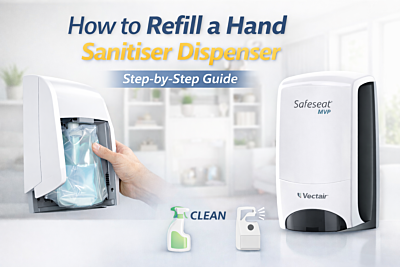
Washrooms need to be fully stocked and functioning from day one, not eased into over the first week. That means checking soap and sanitiser dispensers are full and working, paper towel or hand dryer systems are serviced, and toilet paper stock reflects actual pupil numbers rather than last year's smaller cohort.
A useful rule of thumb: a typical primary school washroom serving thirty pupils gets through a full pump-action soap refill roughly every ten to fourteen days during term time, faster in the first few weeks when routines around handwashing are being actively reinforced. Ordering to that pattern, rather than waiting for a dispenser to run dry, avoids the gap where a washroom sits without soap for a day or two while a reorder is processed.
Hand sanitiser stations at entrances and in shared spaces should also be checked for expiry dates. Alcohol-based sanitisers do have a shelf life, typically around two to three years unopened, and stock bought in bulk during a previous health scare can quietly pass its use-by date sitting in a cupboard.
First aid and PPE top-ups
First aid kits get raided informally throughout the year, plasters here, a bandage there, and by the end of summer many kits are missing items nobody officially logged as used. A full audit against the kit's contents list, not just a glance to see if the box looks full, catches these gaps before they matter.
PPE stock, gloves, aprons and eye protection in particular, should be checked against current staff numbers and any new starters joining in September. It's also worth confirming that COSHH data sheets for all chemicals in use are current, accessible to staff, and stored somewhere that doesn't require hunting through a filing cabinet during an actual incident.
Storage and stock organisation
A messy stockroom costs time all year, but it costs the most in September, when everyone is trying to find things at once. Taking an hour to reorganise shelving, label stock clearly, and set minimum reorder levels for the items that run out fastest, hand soap, disinfectant wipes, bin liners, pays for itself within the first few weeks of term.
This is also the point to review what didn't get used last year. Stock that sat untouched through an entire academic year is either the wrong product for how the school actually operates, or it's stored somewhere staff have forgotten about. Either way, it's worth adjusting the reorder list rather than automatically repeating last year's order.
Common oversights worth checking specifically
A few items get missed more often than they should:
Fire extinguisher and emergency signage checks sometimes fall through the gap between the caretaker's list and the health and safety officer's list. Confirming who owns this check, and that it's actually been done, avoids assuming someone else covered it.
Bin and waste collection schedules need reconfirming with the contractor before term starts, particularly if collection frequency needs to increase for the new term. A missed first collection because the schedule wasn't updated is an entirely avoidable problem.
Window and glass cleaning in entrance areas and reception is easy to deprioritise during the holiday clean, but it's often the first thing parents and visitors notice on the first day of term.
Facilities teams managing this across multiple sites often find it easier to work from a single supplier for this kind of stock check, which is one reason schools frequently turn to established names like Citrus Cleaning Supplies when standardising checklists across several buildings rather than running separate lists per site.
Staff briefing and handover
Stock only solves half the problem. The other half is making sure the staff actually using these supplies know where things are kept and what the expected routine is. A ten-minute briefing for teaching assistants and site staff in the last few days before term, covering where topped-up supplies are stored, who to flag low stock to, and what the colour-coding system means if it's new or has changed, prevents a lot of the confusion that otherwise surfaces in the first fortnight.
This matters particularly where staff have changed over the summer. New teaching assistants or a new site manager won't automatically know that the green cloths are for catering areas only, or that the disinfectant behind the cleaning cupboard door needs ten minutes of dwell time rather than a quick wipe. Writing this down as a one-page reference sheet, rather than relying on it being passed on verbally, means the information survives staff turnover.
Budgeting and ordering timelines for the rest of term
September's order isn't really a one-off, it's the first data point for the rest of the year. Tracking what actually gets used in the first month against what was ordered gives a far more accurate reorder schedule than working from last year's totals, especially if pupil numbers, staff numbers or the building layout has changed.
A simple approach that works well for most schools: set a reorder trigger at roughly a two-week buffer for fast-moving items like hand sanitiser, disinfectant wipes and soap, and a four-to-six-week buffer for slower-moving or harder-to-source items like specific floor machine parts or seasonal stock. This avoids both the risk of running out mid-term and the opposite problem of overordering and tying up storage space that's usually at a premium in most school buildings.
It's also worth flagging any planned building work, new classroom openings or expected pupil number changes to whichever supplier is handling the account, since a mid-year jump in usage that hasn't been flagged in advance can catch reorder schedules out.
FAQ
How far in advance should schools order cleaning supplies before term starts? Two to three weeks is generally enough for standard stock, but anything requiring a service or repair, such as floor machines, should be checked at least a month out in case parts need ordering.
What's the most commonly missed item on a back to school cleaning checklist? Expiry dates on first aid supplies and hand sanitiser are the most frequently missed, since both tend to be bought in bulk and forgotten about once stored.
How often should classroom disinfectant wipes be restocked during term time? Most primary classrooms go through a tub of wipes every one to two weeks in normal use, faster during the first half term and during cold and flu season.
Should schools have deep clean floors before or after the summer holiday? Ideally floors are deep cleaned in the final week of the holidays rather than the first week, so the finish has time to cure properly before heavy foot traffic returns.