







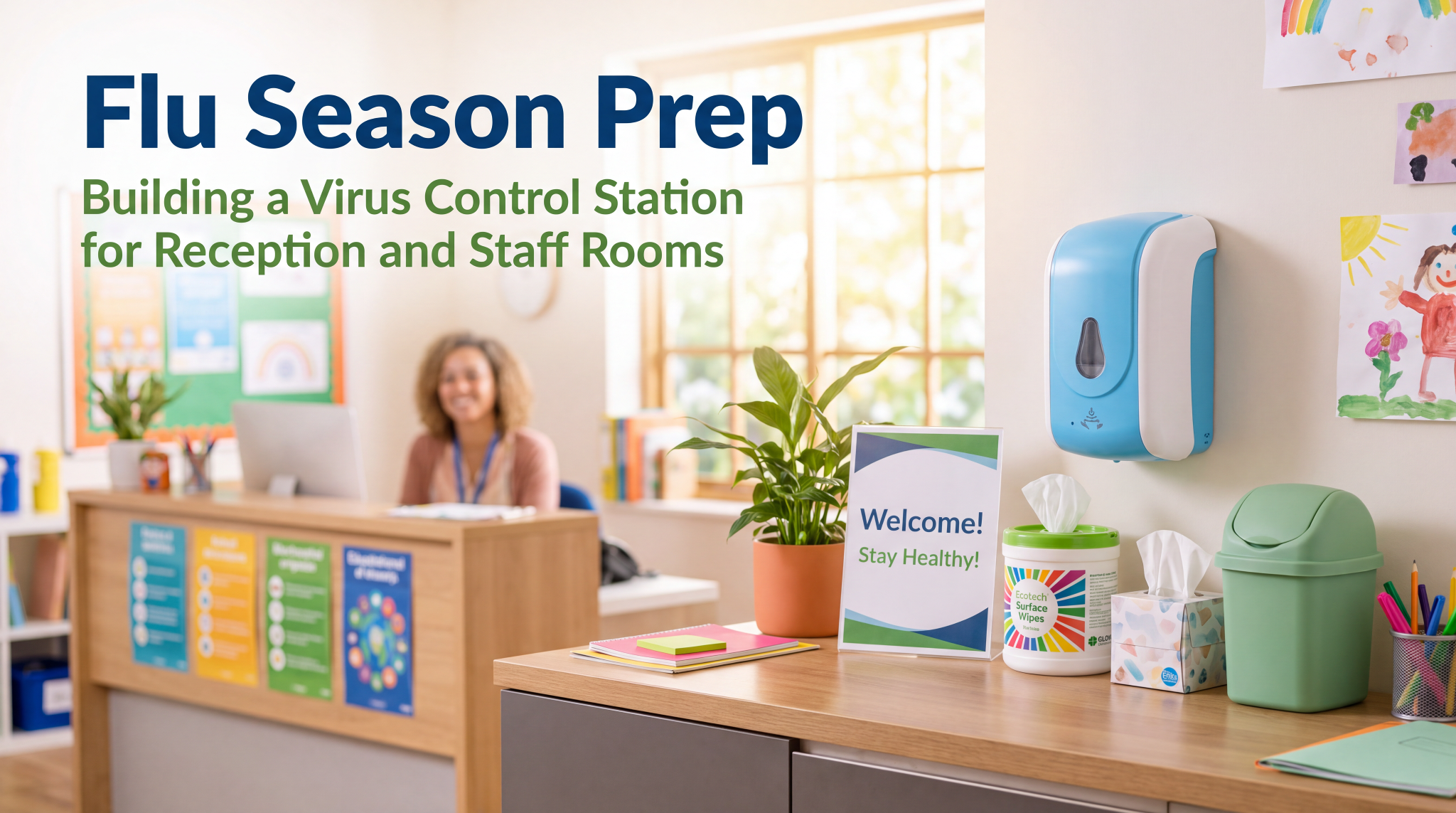
Flu season builds quickly once the clocks go back, and by the time a school notices absence numbers climbing it is usually already behind on prevention rather than ahead of it. Reception areas and staff rooms are two of the highest-contact spaces in any school building, used by every visitor, every member of staff and often every parent drop-off, which makes them the obvious place to start when building a proper virus control routine for the months ahead.
This guide works through what a genuinely useful virus control station looks like in these two spaces, rather than a single bottle of hand gel left on a desk and hoped for the best.
Why reception and staff rooms matter most
Reception is the first touchpoint for almost everyone who enters a school building, from parents and visitors to delivery drivers and supply staff, many of whom are not part of the school's usual daily routine and bring in whatever they are carrying from elsewhere. Staff rooms work differently but carry similar risk, since they concentrate a large number of adults in a relatively small shared space, often during the same short break windows, with shared surfaces like kettles, microwaves and worktops getting touched repeatedly within minutes of each other.
Treating these two spaces as a priority rather than an afterthought is less about reacting to an outbreak and more about reducing how quickly one spreads once it arrives, since both spaces act as a hub that connects to the rest of the building.
What belongs in a virus control station
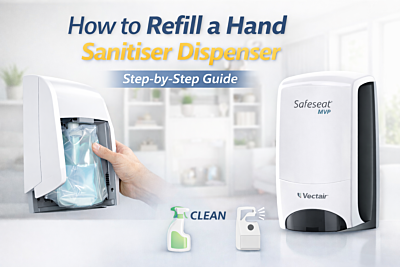
A proper station needs more than a single sanitiser pump by the door. Hand sanitiser should be positioned at the actual point of entry, not tucked behind a desk where it is easy to walk past without noticing, and a wall-mounted or stand-alone dispenser at eye level gets used far more consistently than one left loose on a counter.
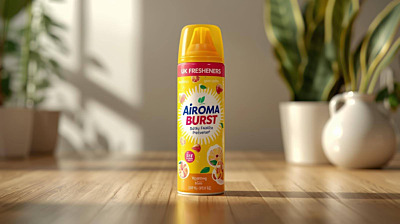
Surface disinfectant is the second essential, and reception desks, staff room worktops and shared equipment all need it within easy reach rather than stored in a cupboard elsewhere. A spray or wipe format that staff can use between uses of shared equipment, a kettle handle, a photocopier screen, a staff room table, makes it realistic to actually disinfect between uses rather than once at the end of the day.
Tissues and a lidded bin for disposal complete the basic station. Having both together, rather than tissues in one place and a general waste bin somewhere else, makes correct disposal the easy option rather than something staff have to think about. Disposable gloves are worth keeping close by too, particularly in reception where staff may be handling items passed over by visitors who are visibly unwell, or cleaning up after a child who has been sent to wait there.
Positioning the station so it actually gets used
Where a station is placed matters as much as what is in it. In reception, the most effective position is usually right at the entrance, before anyone reaches the main desk, so sanitising becomes the first thing a visitor does rather than an optional extra they are unlikely to seek out. In a staff room, positioning near the door or by the kettle and worktop area works better than a station tucked into a corner that is rarely walked past.
Stations that require someone to go out of their way tend to get used inconsistently, however good the products in them are. A well-placed but basic station will usually outperform a comprehensive one that nobody walks past during a normal day.
Keeping the station stocked through a busy term
A virus control station is only useful if it is actually full when someone reaches for it. Reception and staff room stations tend to run down faster than other parts of a building simply because of how frequently they are used, so checking stock levels weekly rather than waiting for a member of staff to report an empty dispenser avoids the gap where a station sits empty for days at a time.
It is worth nominating someone specific to check and restock these two stations, rather than leaving it as a shared responsibility that assumes someone else will notice. A named responsibility, even an informal one, tends to catch low stock earlier than an assumption that whoever notices first will deal with it.
Building this into a wider flu season routine
A reception and staff room station is a strong starting point, but it works best as part of a wider seasonal routine rather than a single standalone measure. Increasing the frequency of surface cleaning in these two spaces through the colder months, alongside the usual daily cleaning schedule, reflects how much heavier the contact load becomes once flu season is properly underway.
It is also worth briefing staff directly on where the stations are and what is expected, rather than assuming everyone will notice them on their own. A quick mention in a staff briefing at the start of the season does more to drive actual use than a sign on the wall that people stop registering after the first week.
Extending the same thinking to other high-contact areas
Reception and staff rooms are the right starting point, but the same approach has value anywhere a school sees concentrated contact through the day. Corridors near main entrances, IT suites where keyboards and mice are shared between multiple students, and lunch halls where trays, tables and serving areas all see heavy use within a short window are all natural candidates for the same kind of station, scaled to fit the space.
It is not necessary to roll out a full station to every corner of a building at once. Starting with reception and staff rooms, then reviewing after a few weeks whether other areas are seeing similar demand, gives a more manageable rollout than trying to cover the whole site in one go. Corridors and IT suites tend to be the next logical step once the first two stations are bedded in.
Training staff to use the station properly
A station only works if staff actually use it as intended, and that is not always automatic. A quick briefing at the start of flu season, covering where stations are, what is in them, and when to use surface disinfectant versus hand sanitiser, helps staff build the habit rather than walking past a station they have stopped consciously noticing.
This matters particularly for new or supply staff who will not have the same familiarity with the building as permanent staff. A short, written reference alongside the verbal briefing, even a single page pinned near the staff room noticeboard, gives temporary staff something to check without needing to ask.
Budgeting and stock planning through the winter months
Consumables at a virus control station run down faster through flu season than at any other point in the year, so budgeting for a higher usage rate from November through to early spring avoids a mid-winter stock gap. Tracking actual usage at the reception and staff room stations over a first full season gives a much more accurate figure to plan around than guessing based on a quieter time of year.
It is worth holding a slightly larger buffer of hand sanitiser refills, surface disinfectant and tissues through the peak winter months specifically, rather than running the same reorder pattern used for the rest of the year. A two to three week buffer of the fastest-moving items means a single delayed delivery does not leave a station empty during the exact weeks it matters most.
Signage that supports the station rather than replacing it
A short, clear sign at each station helps, but it works best as a supporting prompt rather than the main driver of behaviour. A sign reminding visitors to use hand sanitiser on arrival reinforces what the physical positioning of the dispenser is already encouraging, rather than trying to do the job on its own.
The same applies in staff rooms. A brief reminder near the kettle or worktop about wiping down after use works better alongside an easily accessible disinfectant spray than as a standalone instruction with nothing nearby to act on it. Signage and positioning reinforce each other, and relying on either one alone tends to be less effective than using both together.
FAQ
Where should a virus control station be positioned in reception? As close to the entrance as possible, ideally before a visitor reaches the main desk, so sanitising becomes an automatic first step rather than something they have to seek out.
How often should a reception or staff room station be restocked? Checking weekly is a sensible minimum during flu season, though high-traffic reception areas in particular may need restocking more frequently depending on footfall.
Is hand sanitiser enough on its own, or is surface disinfectant also needed? Both matter. Sanitiser addresses what is on people's hands, while surface disinfectant addresses shared touchpoints like worktops, kettles and desks that get handled repeatedly through the day.
Should staff rooms have their own station separate from reception? Yes. The two spaces have different contact patterns, reception for visitors and drop-offs, staff rooms for shared equipment during breaks, so each benefits from its own station rather than relying on one central point for the whole building.